


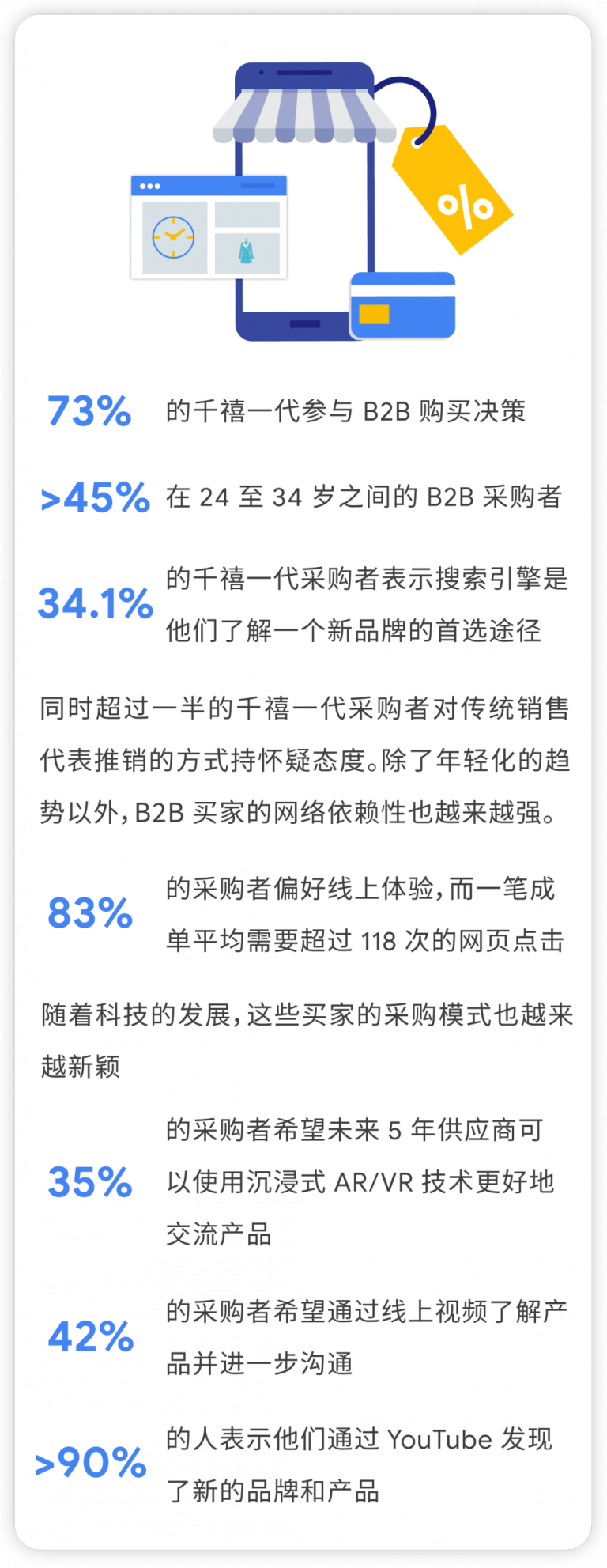
With offline sales channels disrupted by the pandemic, Chinese B2B businesses have been facing multiple challenges. Not only have demand and inquiries declined significantly, but the quality of leads has also become less satisfactory, making customer acquisition increasingly difficult. At the same time, limited brand awareness in overseas markets can also influence buyers’ purchasing decisions. Faced with these challenges, some businesses have begun exploring video marketing. When people think of video marketing, e-commerce often comes to mind. From livestream shopping to product reviews, video has become a mainstream marketing tool for merchants and brands, with strong growth potential both in China and overseas. However, video platforms are not exclusively for B2C marketing. B2B businesses can also leverage video platforms to reach and engage potential buyers.
With offline sales channels disrupted by the pandemic, Chinese B2B businesses have been facing multiple challenges. Not only have demand and inquiries declined significantly, but the quality of leads has also become less satisfactory, making customer acquisition increasingly difficult. At the same time, limited brand awareness in overseas markets can also influence buyers’ purchasing decisions. Faced with these challenges, some businesses have begun exploring video marketing. When people think of video marketing, e-commerce often comes to mind. From livestream shopping to product reviews, video has become a mainstream marketing tool for merchants and brands, with strong growth potential both in China and overseas. However, video platforms are not exclusively for B2C marketing. B2B businesses can also leverage video platforms to reach and engage potential buyers.
Guangzhou Stonkam Digital Technology Co., Ltd. (STONKAM) was founded in 2003 and has spent more than a decade developing, manufacturing, and selling intelligent in-vehicle electronics. It is a leading global provider of visual solutions in its specialized field.



Use Video Content to Build Buyer Trust

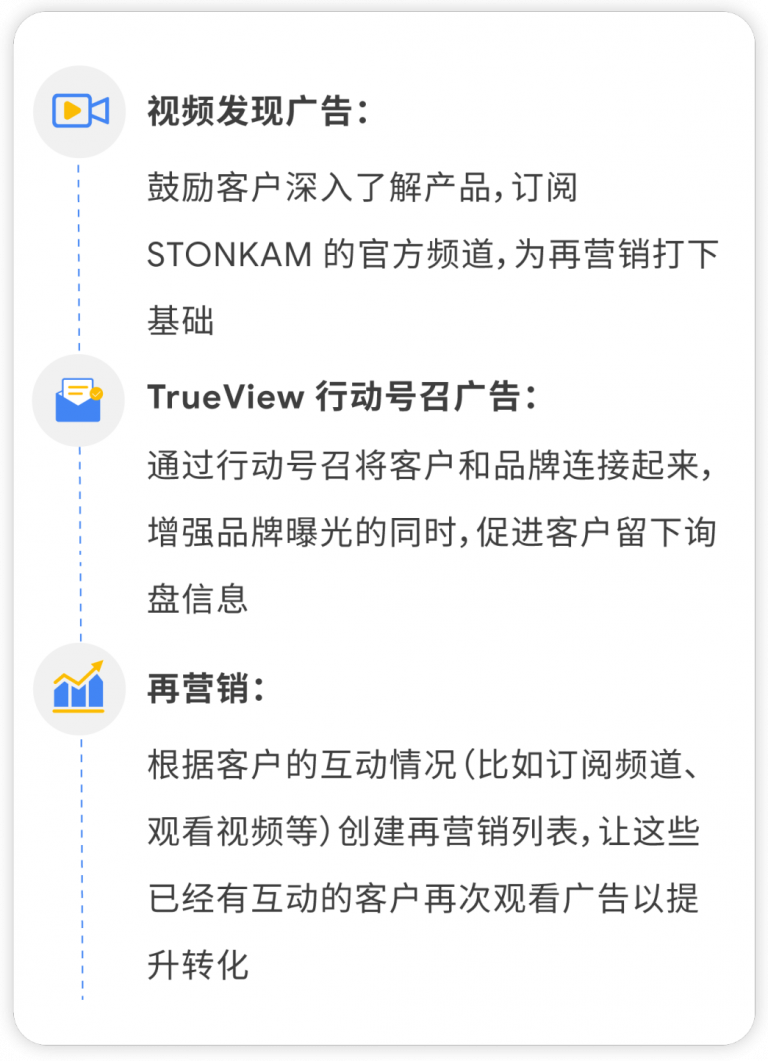
Use Video Advertising to Influence Purchasing Decisions


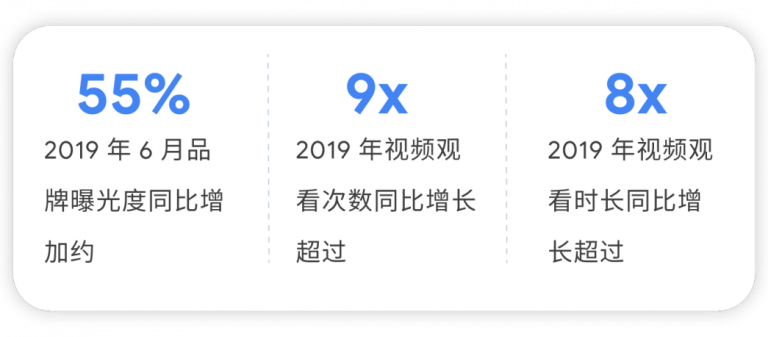
After STONKAM began its YouTube video marketing journey, more customers became familiar with the brand and interested in its products. In 2019, STONKAM’s video views increased ninefold year over year, while watch time increased eightfold. Several product videos surpassed one million views, significantly increasing brand awareness.
Google Ads not only helped STONKAM generate more inquiries, but also reduced its cost per conversion by 35%. With the support of Google Ads, the company’s business continued to grow by 15% annually.